Air Ventilation Cleaning: Respire Easier Using These Essential Tips
Air duct cleaning is essential in preserving a clean indoor environment. It helps eliminate dust, allergens, and pollutants that can affect air quality. Identifying when ducts require service is crucial for peak HVAC performance. Homeowners often overlook the methods and equipment needed for effective cleaning. Learning about these aspects can significantly enhance comfort levels and energy efficiency. What steps should one take to guarantee cleaner air and a more efficient system?
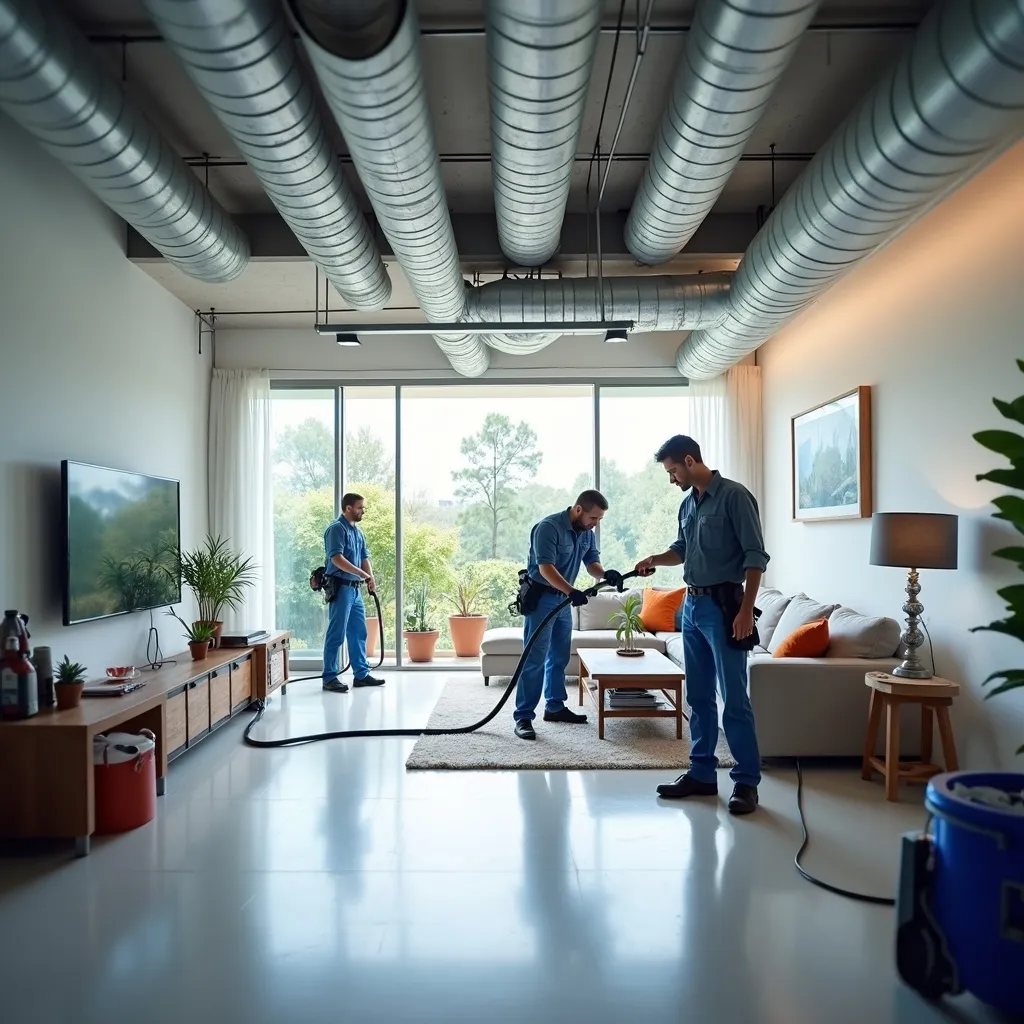
How Air Duct Cleaning Promotes Your Health
Air duct cleaning boosts air purity, creating better health outcomes for residents. Over time, allergens, dust, and pollutants accumulate within the ductwork, flowing through the air. This increase can worsen allergies, respiratory issues, and health problems. By eliminating these contaminants, air duct cleaning lowers the likelihood of airborne illnesses and fosters a cleaner home atmosphere.
In addition, immaculate air ducts can improve the efficiency of heating and cooling systems, yielding more uniform temperatures and minimal energy consumption. This not only contributes to overall satisfaction but also restricts exposure to injurious materials that can be discharged when systems are poorly maintained.
Consistent upkeep of air ducts ensures that pure, clean air circulates throughout the home, promoting better sleep, increased energy levels, and overall well-being. Ultimately, maintaining clean air ducts is a essential step in safeguarding the health of all occupants.
Signs Your Ducts Need Cleaning?
Air duct upkeep is critical for maintaining a wholesome living environment. Homeowners must be aware of several symptoms that suggest duct cleaning is essential.
A notable sign is visible dust or debris around vents or the air filter, suggesting accumulated dirt within the ducts. Furthermore, if residents notice heightened allergy reactions, such as sneezing or congestion, it may suggest that pollutants are circulating in the air.
Unpleasant aromas emanating from vents may also point to mold growth or stagnant debris. Additionally, if the HVAC system is functioning inefficiently, requiring frequent repairs or producing inconsistent temperatures, dirty ducts could be the culprit.
In conclusion, an increase in utility bills could demonstrate a obstructed unit unable to distribute air smoothly. Detecting these markers can help promise planned maintenance and copyright excellent interior air health.
DIY Air Duct Cleaning Tools You Require
Keeping fresh air ducts requires the appropriate instruments to guarantee efficient DIY cleaning. Vital equipment for this undertaking feature a vacuum system fitted with a HEPA filter, which captures fine particles and allergenic substances.
A set of bristled tools, specifically designed for cleaning ducts, helps dislodge dirt and particles from the walls of ducts. Additionally, a light source is essential for inspecting dark areas in the duct system, guaranteeing complete cleanliness.
Protective gear, such as gloves and a respirator, is crucial to maintain safety while managing dust and possible contaminants. A screwdriver set is also needed for removing vent covers and access panels.
A moist towel can finally be used to wipe down vent surfaces after servicing. Together, these tools constitute a extensive kit for anyone wanting to manage air duct upkeep effectively and safely.
Gather Necessary Tools
Gathering the right tools is crucial for an efficient air duct cleaning operation. A high-quality vacuum cleaner with a HEPA filter is important for extracting dust and allergens.
A collection of brushes, including a long-handled duct brush, assists in dislodging debris from the duct walls. Adaptable duct cleaning rods can extend reach and facilitate access to hard-to-reach areas. Additionally, having a flashlight allows for thorough inspection of the ducts' interiors.
Protective gear, including gloves and masks, guarantees safety during cleaning. Finally, a step ladder may be necessary for accessing higher vents.
Get Your Space Prepared
A well-organized space is important for an effective air duct cleaning service. First, the area around vents should be cleared of items and blockages to enable easy access. This helps prevent any harm to belongings and guarantees a thorough cleaning.
Following this, homeowners should seal supply vents with plastic sheeting to trap dust and debris during the process. It is also advisable to turn off the HVAC system to avoid spreading contaminants.
Finally, placing a vacuum with a HEPA filter nearby can assist in capturing any particles released during cleaning. By following these approaches, individuals form an ideal environment that facilitates effective air duct cleaning and maximizes overall results.
Thoroughly Clean Ducts
Before embarking on the air duct cleaning process, it's necessary for house owners to understand the step-by-step approach that ensures comprehensive cleaning and performance.
At the start, you should procure necessary equipment, comprising a vacuum, brushes, and microfiber cloths. Afterward, switch off the HVAC system to ensure safety.
Finally, take off the vent covers and clean them with warm soapy water. By using a vacuum, cautiously remove dust and debris from the ducts. For more thorough cleaning, employ duct brushes to eliminate stubborn particles.
Once you finish tidying, reinstall the vent covers and replace the air filter. Finally, switch the HVAC system back on and inspect for any unusual sounds.
Selecting a Expert Air Duct Maintenance Service
How can one ensure that they find a reputable air duct cleaning service? First, it is crucial to study potential providers comprehensively. Reviewing for certifications, such as content those from the National Air Duct Cleaners Association (NADCA), guarantees clients of compliance to industry standards.
Next, gathering multiple quotations makes possible a assessment of options and rates. A reliable company will conduct a thorough inspection before presenting an quote, sidestepping any deceptive low-cost proposals.
Furthermore, ask about the methods and apparatus being used; a reputable service will employ modern tools and techniques.
Lastly, ensure the company maintains appropriate protection and is certified, protecting clients from unforeseen damages.
How to keep pristine Air Ducts Year-Round
Keeping air ducts immaculate continuously is necessary for guaranteeing superior indoor air quality and system efficiency. Regular inspections are essential; house owners should check ducts for dust and debris accumulation several times per year.
Premium air filtration systems markedly reduce pollutants, as these filters trap smaller debris that conventional filters might miss. It is prudent to change these filters at least every three months or per maker recommendations.
Additionally, lowering interior contaminants can aid in keeping duct cleanliness. This involves restricting activities that produce dust, such as smoking or burning certain candles, and confirming proper ventilation when applying cleaning products.
Routine upkeep of the home, featuring sweeping and cleaning, helps decrease the amount of dust that could enter the ducts. Finally, booking a professional cleaning every few years can further guarantee that air ducts remain free from harmful buildup, promoting a cleaner indoor space.
Air Duct Cleaning: Costs vs. Rewards
Assessing the financial implications of air duct cleaning delivers crucial understanding for homeowners. The initial outlay generally falls from $300 to $1,000, determined by factors like the size of the home and the complexity of the duct system.
While this may appear significant, the potential benefits often exceed the costs. Air ducts that are cleaned can improve indoor air quality, reducing allergens and irritants. This may result in fewer respiratory issues and reduced healthcare costs over time.
Additionally, a clean air ducts can strengthen HVAC output, possibly reducing energy bills by 10-30%. Homeowners should also consider the operational life of their HVAC systems.
Periodic cleaning can enhance the useful life of the equipment, limiting the want for early replacements. Ultimately, weighing the preliminary costs as opposed to enduring health improvements and energy cost savings can facilitate homeowners make informed decisions regarding air duct cleaning.
Frequently Requested Questions
What Times Should I Service My Air Ducts?
Industry experts recommend regular air duct cleaning every 3 to 5 years. However, variables like pets, allergies, or recent renovations may demand more frequent cleanings. Ongoing upkeep ensures superior air quality and improved efficiency for optimal performance.
Am I Able to Clean My Ducts By Myself?
It's feasible to address duct cleaning by yourself, yet DIY approaches may not achieve thorough results. Correct tools and procedures are necessary for thorough duct cleaning, making expert services often a more dependable selection for superior air quality.
What Are the Risks of Dirty Air Ducts?
Contaminated air ducts may result in inadequate indoor air quality, boosting allergens and pollutants. This can trigger respiratory issues, allergies, and overall discomfort. Additionally, accumulated debris can impede HVAC efficiency, increasing energy costs.
Can You Expect Promises from Air Duct Cleaning Providers?
Many air duct cleaning services do offer guarantees, securing customer satisfaction. These guarantees often address the quality of work performed, furnishing reassurance that the service will accomplish specific standards and address any issues that surface post-cleaning.
Is Air Duct Cleaning a Worthwhile Expenditure?
Putting money into cleaning your air ducts can prove worthwhile, as it improves the quality of air inside your home, increases HVAC performance, and may increase system lifespan. Homeowners often experience noticeable improvements, making it a sensible choice for many.